Why Dorothy Still Matters in Pop Culture
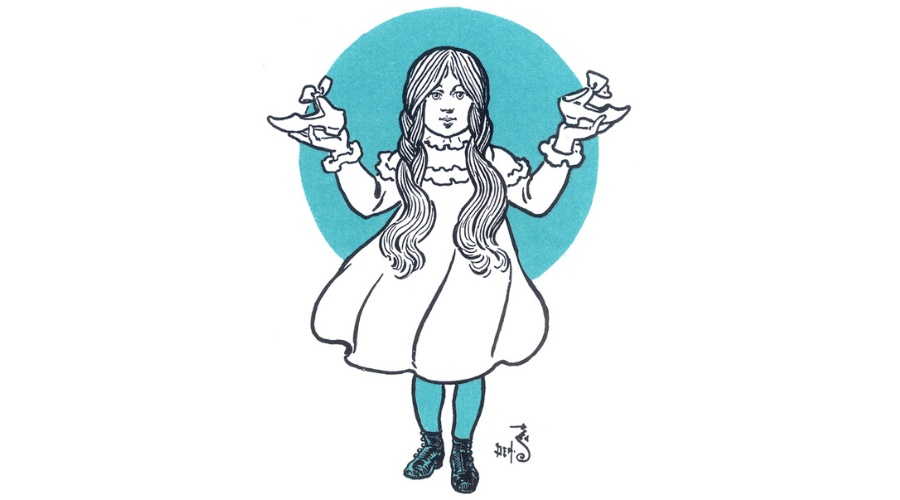
Dorothy still matters because she reflects something universal: the search for belonging. Her story isn’t just about traveling to Oz—it’s about navigating unfamiliar systems, questioning authority, and realizing that the thing you were searching for was never as far away as it seemed. That emotional core makes her endlessly adaptable.
Across more than a century, Dorothy has been reinterpreted in ways that expand her meaning rather than dilute it. She’s been portrayed across cultures, identities, and mediums, each version reshaping her while preserving the same underlying tension—feeling out of place while trying to find where you truly belong. That flexibility is what keeps her rooted in pop culture rather than fading into nostalgia.
Dorothy's 125-Year Journey from Page to Pop Culture Icon
That midwestern myth has now stretched 125 years, evolving from Baum's sparse pages into a pop culture force tracked across countless adaptations, performers, and re-imaginings. She became a beacon for anyone feeling like an outsider — women, people of color, LGBTQ+ communities — all drawn to her singular dream of finding home.
Much like Alice's Adventures in Wonderland, which revolutionized children's literature by shifting away from moralistic storytelling in favor of imagination and play, Dorothy's story endures because it taps into something deeper than simple escapism. Her staying power isn't nostalgia. It's the fact that her core struggle still feels urgently, uncomfortably real.
This same tension between mass appeal and deeper meaning defined the Pop Art movement, which emerged in the 1950s and 60s to challenge traditional notions of cultural value by embracing imagery from popular media. A new documentary, now streaming on Peacock, explores that enduring cultural legacy through scholarly commentary and celebratory tribute.
How Judy Garland's Dorothy Set the Standard Every Actress Follows
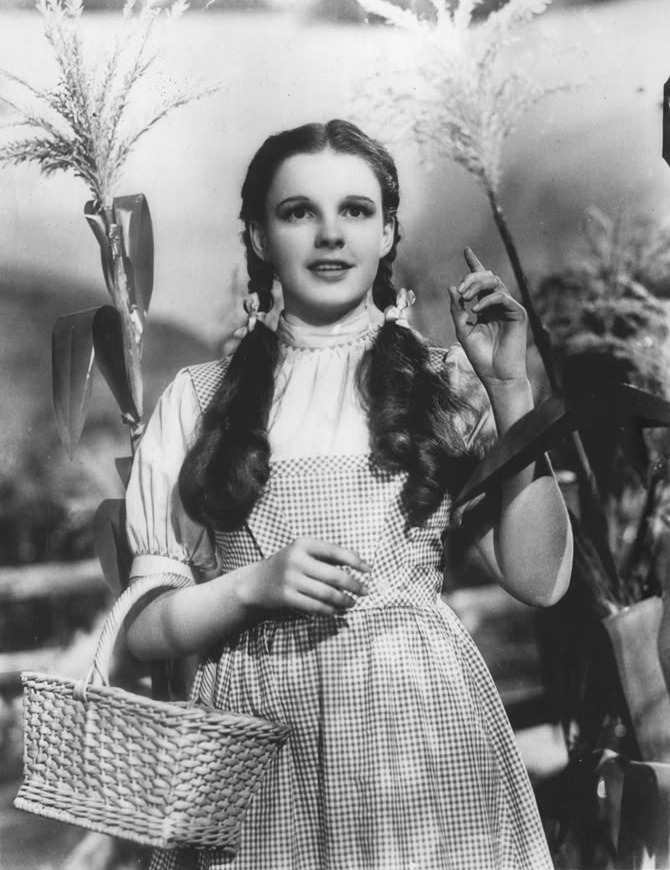
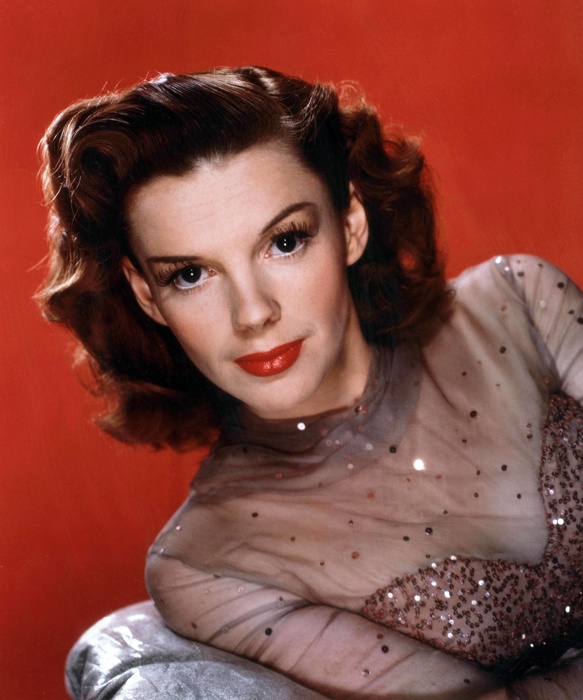
Judy Garland’s portrayal of Dorothy in 1939 established the emotional foundation that every future version still builds on. Her performance balanced vulnerability and strength in a way that made the character feel real, even within a highly stylized fantasy world.
What made Garland’s performance so effective wasn’t just her acting—it was her ability to ground the story emotionally. Oz is filled with exaggerated characters and surreal environments, but Dorothy remains relatable. She reacts the way a real person might: confused, hopeful, and occasionally overwhelmed. That contrast makes her the anchor of the entire narrative.
Future portrayals don’t replicate Garland’s performance, but they reference it. The expectations she set—emotional sincerity, resilience, and clarity of purpose—continue to shape how the character is approached. Even modern reinterpretations that change her background or personality still rely on that emotional framework.
What the Ruby Slippers Actually Symbolize
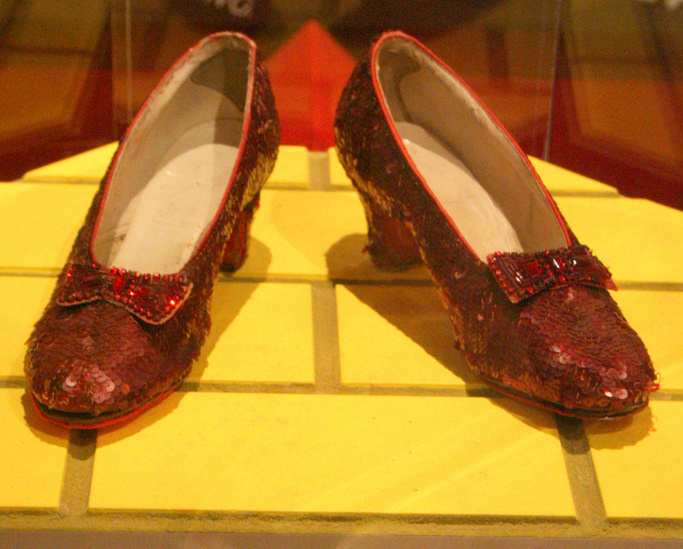
The ruby slippers are one of the most recognizable symbols in film history, but their meaning goes beyond visual appeal. They represent the idea that the power to change your situation already exists—you just need to recognize it.
Throughout the story, Dorothy searches for a way home, believing it requires external help. The slippers quietly challenge that assumption. They don’t grant her something new; they reveal something she already has. That distinction is what gives them lasting symbolic weight.
The idea resonates because it’s simple but powerful. People often look outward for solutions—approval, direction, or validation—when the answer is internal. The slippers turn that realization into a visual metaphor, making it easy to understand without explanation.
Why Outsiders Have Always Seen Themselves in Dorothy
Dorothy’s perspective is defined by displacement. She enters a world where the rules don’t make sense, authority figures contradict each other, and nothing operates the way she expects. That experience is something many people recognize, even outside a fantasy setting.
This is why different groups have connected with her over time. She isn’t tied to a single identity or experience—she represents the feeling of being out of place. Whether that’s cultural, social, or personal, the core experience remains the same.
Her role isn’t to dominate the world she enters, but to navigate it. She questions, adapts, and persists without fully belonging. That position makes her accessible to audiences who see themselves in that same space—trying to understand a system that wasn’t built for them.
Check out MrPopCulture.com and learn more about pop culture trends in films and celebrities.
Every Generation Gets Its Own Dorothy
Dorothy’s adaptability is most visible in how each generation reshapes her. Rather than preserving a single version of the character, each era emphasizes different aspects depending on what feels relevant at the time. This process doesn’t replace earlier interpretations—it builds on them, creating a layered cultural identity.
In The Wiz, Dorothy becomes part of a distinctly Black cultural narrative. The setting, music, and tone shift dramatically, but the structure of her journey remains intact. In Return to Oz, the tone shifts again. Dorothy becomes more introspective and psychologically complex, reflecting a darker, more uncertain interpretation of the original story.
Modern reinterpretations continue this pattern. Dorothy is often portrayed as more independent, more questioning, and more aware of the systems around her. She’s less passive and more self-directed, reflecting contemporary expectations around agency and identity. These versions don’t remove her vulnerability—they reposition it, making it part of a more active engagement with her environment.
Why Broadway and TV Keep Rebuilding Dorothy From Scratch
Different mediums require different interpretations, and Dorothy adjusts accordingly. Broadway productions often shift focus to other characters, reframing her role within a larger narrative. Television adaptations emphasize visual storytelling and accessibility, sometimes altering her relationships or environment to suit the format.
These changes aren’t random. They reflect the expectations of each medium. A stage production prioritizes performance and thematic focus, while television prioritizes pacing and visual clarity. Dorothy’s role shifts to fit those demands.
This constant rebuilding is part of what keeps her relevant. Instead of preserving a single version, each adaptation reinterprets her to match its context. That flexibility allows her to remain central to the story, even when the story itself changes.
How Dorothy Became a Symbol of Identity and Belonging
Over time, Dorothy has become more than a character—she’s become a symbol. Her journey reflects the process of forming identity in unfamiliar or restrictive environments. She doesn’t start with a clear understanding of who she is or where she belongs, and that uncertainty is what drives her forward. Instead of being defined at the beginning, her identity develops through experience.
What makes this especially powerful is that her journey isn’t about becoming someone entirely new—it’s about recognizing what was already there. Along the way, she encounters characters who reflect different aspects of human need: intelligence, courage, and compassion. These aren’t traits she lacks, but traits she learns to recognize within herself.
This symbolic role makes her especially adaptable. She can represent different identities without being confined to one. Audiences project their own experiences onto her journey, whether that’s navigating cultural expectations, feeling out of place socially, or trying to reconcile different parts of themselves. Because her story is rooted in emotional experience rather than specific circumstances, it remains open to interpretation.
How Modern Media Reinterprets Dorothy for New Audiences
Modern media continues to reshape Dorothy in ways that reflect current cultural conversations. Adaptations no longer treat her as a static figure—they explore her through different lenses, emphasizing themes like identity, representation, and belonging in more direct and intentional ways. These reinterpretations often focus on perspective.
Instead of presenting a single, universal version of Dorothy, creators explore what she looks like in different contexts. This shift allows the character to feel more inclusive and reflective of a wider range of experiences. At the same time, modern storytelling tends to give Dorothy more agency. Earlier versions often positioned her as reactive, moving through events as they happened.
Newer interpretations frequently make her more active—questioning authority, making deliberate choices, and shaping her own path. This change reflects broader cultural expectations around independence and self-definition. Even with these updates, the structure of her journey remains consistent. She still enters an unfamiliar world, navigates systems that don’t fully make sense, and searches for a sense of belonging.
Why Dorothy Remains One of Pop Culture’s Most Adaptable Characters
Dorothy endures because she isn’t limited by a single interpretation. Her story is simple enough to be reshaped, but specific enough to remain recognizable. That balance is what makes her one of the most adaptable characters in pop culture.
At its core, her narrative follows a structure that can be applied across different settings and genres: leaving home, navigating uncertainty, forming relationships, and returning with a new understanding. This structure is flexible, allowing creators to reinterpret it without breaking it. Whether the setting is fantastical, modern, or symbolic, the progression still works.
She also functions as both a character and a framework. As a character, she has recognizable traits—curiosity, determination, and emotional sincerity. As a framework, she represents a journey that others can step into. This dual role allows her to be both specific and universal at the same time.
How 'It's Dorothy!' Proves the Character Still Demands Serious Attention
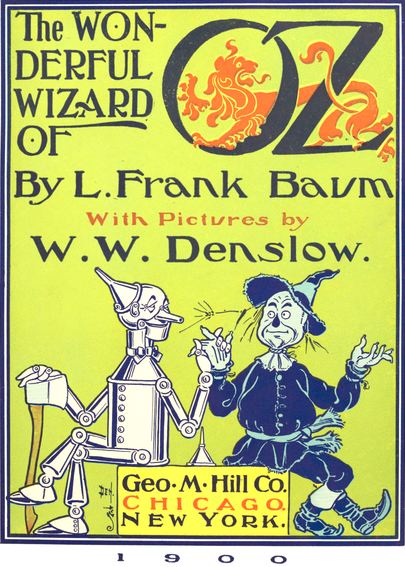
If you want proof that Dorothy still commands serious cultural attention, search no further than *It's Dorothy!* — Jeffrey McHale's documentary that debuted at the Tribeca Film Festival and now streams on Peacock. Blending archival footage with musical sequences, it traces 125 years of mythic resilience, tracking Dorothy's evolution from Baum's 1900 novel through the 1939 film, The Wiz, and Wicked.
Voices like John Waters, Roxane Gay, and Lena Waithe frame her as an identity pilgrimage for the marginalized. Amber Ruffin spotlights Dorothy's resonance in the Black community, while scholars like Emily St. James unpack her queer cultural weight.
McHale's documentary isn't nostalgic indulgence — it's a scholarly, fizzy argument that Dorothy remains a foundational American touchstone worthy of rigorous, sustained examination. The film also ventures into thornier historical territory, weighing whether Garland's 1969 funeral served as a catalyst for the Stonewall riots — a connection some view as myth, but one that continues to mark a defining before-and-after moment in LGBTQ history.
What Comes Next for the World's Most Reimagined Girl From Kansas
Dorothy's future is already taking shape — and it's moving fast. You'll see Virtual Oz come alive in 2026 through the Metaverse "Oz World," giving one million users interactive Dorothy adventures. Meanwhile, Intersectional Myths are reshaping who Dorothy can be — Latina, Indigenous, transgender, elderly — making her story genuinely universal.
Three milestones you shouldn't miss:
- 2027: Warner Bros.' prequel series explores Dorothy's early life
- 2027: Netflix's Reimagining Ruby Slippers profiles 10 fresh Dorothy iterations
- 2028: HBO Max's Dorothy in Oz doubles down on empowerment themes
Dorothy isn't fading — she's multiplying. Every new platform, identity, and medium expands her reach. Much like PLEX Capital's founder, who left corporate life after a 2019 termination to build businesses serving 90 percent minority and female entrepreneurs, Dorothy's story resonates most when it champions those society has pushed to the margins. You're watching a mythological figure actively evolve in real time.
Conclusion
Dorothy remains a central figure in pop culture because she isn’t fixed—she’s reflective. Her story adapts to different audiences, identities, and mediums without losing its core meaning. That balance between consistency and change is what allows her to endure.
She represents a universal experience: navigating uncertainty while searching for belonging. Each generation reshapes that experience in its own way, but the underlying idea stays the same. Dorothy doesn’t just exist within pop culture—she evolves with it, making her one of its most enduring and adaptable symbols.