A Wizard of Oz Anniversary Calendar for Major Movie Milestones
The Wizard of Oz didn’t just succeed as a film—it quietly rewired how stories look, sound, and feel. From its bold use of color to its instantly recognizable symbols, it introduced a way of storytelling that audiences could understand without explanation.
What makes it different is how long that influence has lasted. Decades later, its ideas still show up in films, music, and everyday language—not as references people have to think about, but as ones they already recognize. That’s what makes it more than a classic—it’s a foundation.
The Wizard of Oz Original Release Date: August 25, 1939
Release controversies surround several earlier screenings. Hollywood’s official premiere occurred August 15 at Grauman’s Chinese Theatre, followed by New York’s debut August 17 at Loew’s Capitol Theatre. Before those events, test markets in Wisconsin and Massachusetts had already screened the film, and private press showings ran August 9 in both New York and Los Angeles.
Some Wisconsin theaters even advertised local “world premieres,” with the Oconomowoc Strand Theatre running the film from August 12 through August 16, 1939. Despite this layered rollout, historians recognize August 25 as the definitive nationwide release date—the point when the film entered public circulation at scale.
That distinction matters because anniversaries are tied not just to when a film was first shown, but when it became accessible to a broad audience. From that moment forward, The Wizard of Oz began its transformation from a single theatrical release into a recurring cultural presence.
Why the Wizard of Oz Has Been Re-Released More Than Any Film
The film’s longevity is closely tied to how often it has been reintroduced to audiences. Its 1956 CBS television broadcast marked a turning point, reaching millions of viewers and transforming the film into a shared national experience. Instead of being something you saw once in theaters, it became something families returned to year after year.
This shift turned the film into a ritual rather than a one-time event. Annual broadcasts created anticipation, familiarity, and generational continuity. Parents introduced it to children, who later passed it on again. Even after network television stopped regular broadcasts, cable and streaming platforms ensured it remained available.
Re-releases also adapt to changing formats. The film moved from theaters to television, then to VHS, DVD, Blu-ray, and now digital streaming and theatrical revival screenings. Each transition didn’t just preserve the film—it recontextualized it, allowing new audiences to experience it through the dominant medium of their time.
Check out tools to build your own calendar to share with your fellow fans to keep on top of the newest films!
Every Major Wizard of Oz Anniversary, Decade by Decade
Key anniversaries you shouldn't miss:
- 1939: MGM film premieres August 29
- 1956: CBS broadcast reaches 45 million viewers
- 2000: Library of Congress exhibit draws 70,000 attendees
- 2005: U.S. Postal Service releases Judy Garland commemorative stamp
- 2024: 85th anniversary screenings feature restored extended dance sequence
Each decade introduced new audiences to Oz through fresh formats and celebrations. Ruby slippers from the MGM production sold at auction for $666,000 in May 2000, reflecting the extraordinary value collectors placed on original film memorabilia.
Tracking these milestones reveals how one story continuously reinvented itself while staying culturally essential. Much like the Event Horizon Telescope's achievement of publishing six peer-reviewed papers simultaneously to document its historic findings, landmark cultural moments often require coordinated, large-scale collaboration to cement their place in history.
The 80th Anniversary Celebration in 2019
By 2019, The Wizard of Oz had cemented itself as arguably the most famous film ever made—and its 80th anniversary brought celebrations worthy of that legacy. Broadway marked the milestone with celebrity homages through Broadway Celebrates Oz, an editorial photography project shot throughout Central Park.
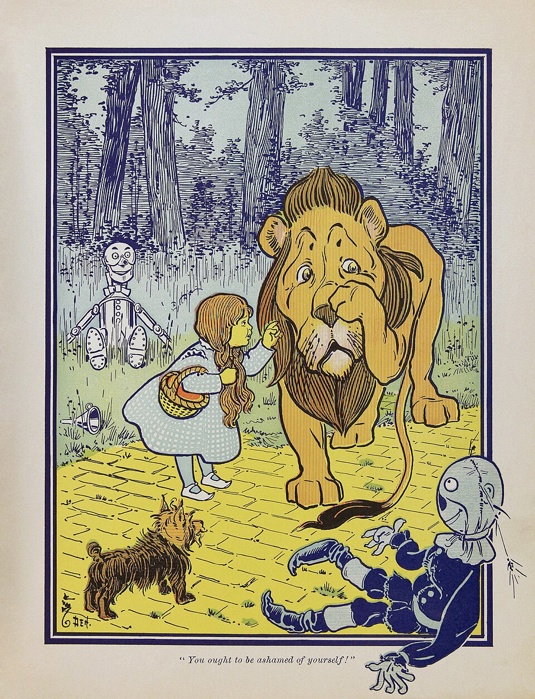
Award-winning costume designer Beck Jones collaborated with director Jaytel Provence and photographer Curtis Brown to bring the vision to life. Laura Osnes portrayed Dorothy, while Ariana DeBose, Matt Doyle, and Jelani Alladin embodied the Scarecrow, Tin Man, and Cowardly Lion.
Fan remembrances extended beyond Broadway as Warner Brothers released a stunning 4K UHD Blu-ray restoration derived from an 8K scan, giving audiences the sharpest home viewing experience in the film's history. The anniversary also prompted renewed public interest through wide theatrical screenings, drawing both longtime fans and new audiences back to the big screen.
What Made the 85th Anniversary Screenings Special in 2024?
The 85th anniversary screenings continued this pattern of reinvention, but they went further by combining traditional theatrical viewing with modern presentation standards. Advances in visual formats like 4K resolution, HDR color grading, and immersive audio didn’t just improve clarity—they brought audiences closer to how the film was originally intended to feel.
What made these screenings stand out, however, wasn’t just the technology—it was the way the experience was structured. Limited screening windows created urgency, encouraging audiences to treat the film as a special event rather than something they could revisit anytime.
This shift changes viewer behavior. Instead of passive watching, audiences become more attentive, more engaged, and more aware of the film as a shared cultural moment. Watching The Wizard of Oz in a theater full of people reacting in real time adds a layer of collective experience that home viewing can’t replicate.
Where the 85th Anniversary Screenings Were Held
The 85th anniversary screenings reached fans across the country through Fathom Events' Big Screen Classics series, with select U.S. theaters hosting three special dates: January 28, 29, and 31, 2024. In the Triangle Area alone, you could catch screenings at Regal North Hills, Regal Crossroads & IMAX, Regal White Oak, Cinemark Raleigh Grande, and B&B Theatres Morrisville Park West 14.
Additional options included Regal Brier Creek, AMC Southpoint 17 in Durham, with ticket prices ranging from $13.40 to $16.05. Beyond North Carolina, the Roswell screening at Aurora Cineplex brought cineplex community members together at 5100 Commerce Parkway, Roswell, Georgia, celebrating the anniversary through local programming.
You could purchase tickets conveniently through Fandango, making it easy to secure your seat at whichever location suited you best. The article covering these screenings was written by Jody Mace and filed under the Film category on the publication's website.
Why the Original Cast Still Matters 85 Years Later
The film’s enduring impact is closely tied to its performances, particularly Judy Garland’s portrayal of Dorothy. Her performance remains a benchmark for emotional authenticity because it balances vulnerability with resilience in a way that feels natural rather than exaggerated. She doesn’t simply react to the world of Oz—she processes it, questions it, and adapts to it.
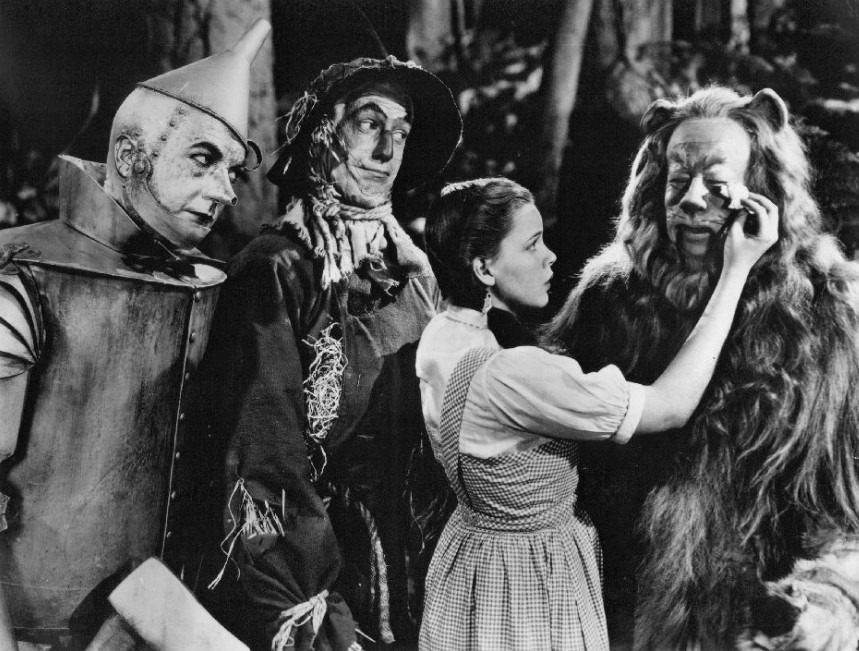
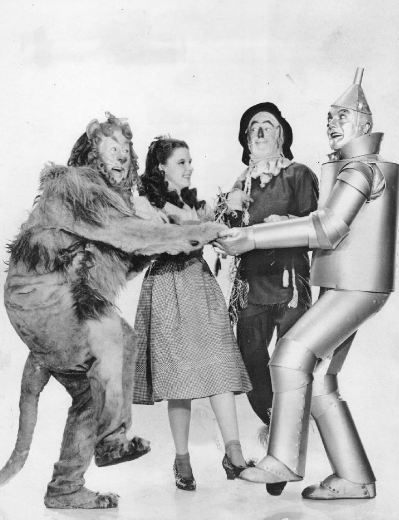
The supporting cast reinforces this effectiveness by embodying clear, universal traits. The Scarecrow represents uncertainty about intelligence, the Tin Man reflects emotional awareness, and the Cowardly Lion embodies the tension between fear and courage. These roles are not overly complex, but they are precise.
What makes the cast especially significant is their collective chemistry. The performances don’t compete—they complement each other, creating a balanced dynamic that anchors the film’s more fantastical elements. This cohesion allows the story to move fluidly between emotional moments and imaginative sequences without losing its focus.
How Each Wizard of Oz Anniversary Improved the Viewing Experience
Each anniversary release has done more than celebrate The Wizard of Oz—it has actively reshaped how audiences experience the film. Rather than simply preserving it, each decade has introduced new ways to engage with it, using evolving technology to reveal details that earlier audiences couldn’t fully appreciate.
The progression is especially clear when you look at recent milestones. The 75th anniversary in 2013 introduced IMAX and 3D conversions, emphasizing scale and immersion in a way that made Oz feel physically larger and more dynamic. By the 80th anniversary in 2019, the focus shifted toward precision.
The 8K scan and Dolby Vision HDR restoration brought out color depth and texture that had been muted for decades, making the transition from Kansas to Oz feel sharper and more intentional than ever before. By 2024, the experience expanded beyond visuals alone. Restored footage, such as Ray Bolger’s extended dance sequence, and reintroduced elements that had been lost or minimized.
How Anniversary Screenings Became Cultural Events
Over time, anniversary screenings have evolved from simple re-releases into fully realized cultural events. What once functioned as a way to revisit a film has become an opportunity to re-experience it in a more intentional and communal setting. Limited showings, curated presentations, and enhanced formats create a sense of occasion, transforming attendance into something closer to participation.
This shift reflects a broader change in how audiences engage with classic media. In an era where films are constantly available on demand, scarcity becomes meaningful. A scheduled screening—especially one tied to an anniversary—introduces structure and anticipation. It encourages viewers to carve out time, gather with others, and engage with the film in a focused way. The experience becomes less about convenience and more about presence.
Additional elements reinforce this transformation. Introductions by film historians, behind-the-scenes features, and restored footage add layers of context that deepen the viewing experience. These features turn the screening into a hybrid of entertainment and reflection, where audiences are not only watching the film but also understanding its history and significance.
How to Find Upcoming Wizard of Oz Screenings
- Fathom Events – Check for anniversary screenings like the 85th-anniversary Big Screen Classics series
- Fandango – Search IMAX 3D showtimes near you and earn double rewards on purchases
- Ticketmaster – Browse live stage productions, tour schedules, and user reviews
- MOPOP – Attend themed Oz film festivals featuring multiple screenings in one day
- Local theaters – Watch for youth productions and specialty formats like ice shows
Confirm dates directly with each platform, as theater locations can change. Buying tickets early through official sites guarantees you won't miss limited-run anniversary events. Each screening in the Big Screen Classics series includes an exclusive introduction by film critic and historian Leonard Maltin.
Conclusion
The anniversary calendar of The Wizard of Oz reveals more than a timeline—it shows how a film stays alive across generations. Through re-releases, restorations, and evolving viewing experiences, the film has continuously adapted to changing media landscapes.
What makes this unique is the consistency of its presence. Instead of relying on nostalgia alone, the film remains active through constant reinterpretation and accessibility. Each anniversary doesn’t just celebrate the past—it creates a new way to experience it.